Paintings .com
Collection





on Google Maps









| Phone Voicemail text 707-875-2911 | Now at the Gallery | email us | ||||||
| Linda Sorensen Paintings .com |
Joshua Meador Collection |
|
|
|
|
|
view us on Google Maps |
|
|
|
|
|
|
|
|
|
|
| Bodega Bay Heritage Gallery Newsletter, February 2026 | |
 |
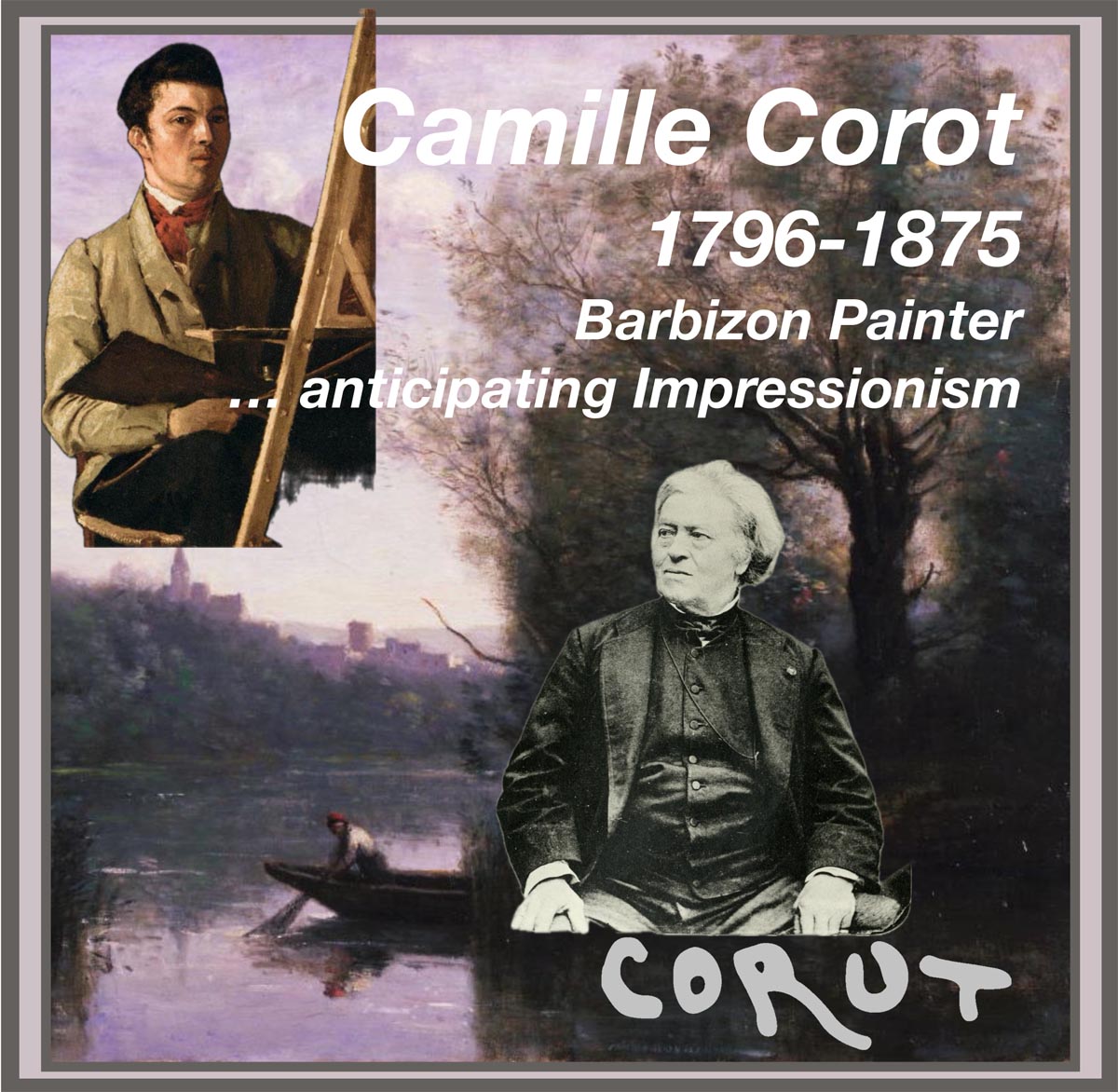 February 2026 Newsletter Barbizon painter, Camille Corot ... The Grandfather of Impressionism |
| Bodega Bay Heritage Gallery | |
 |
|
|
 |
| The Barbizon Painters -- the company Corot kept | |
Corot was closely associated with the Barbizon painters, a loose group who gathered near the Forest of Fontainebleau beginning in the 1830s. They shared a belief that nature itself was a worthy subject, without mythological or historical disguise, and that truthfully observed landscape could be both serious and poetic. |
|
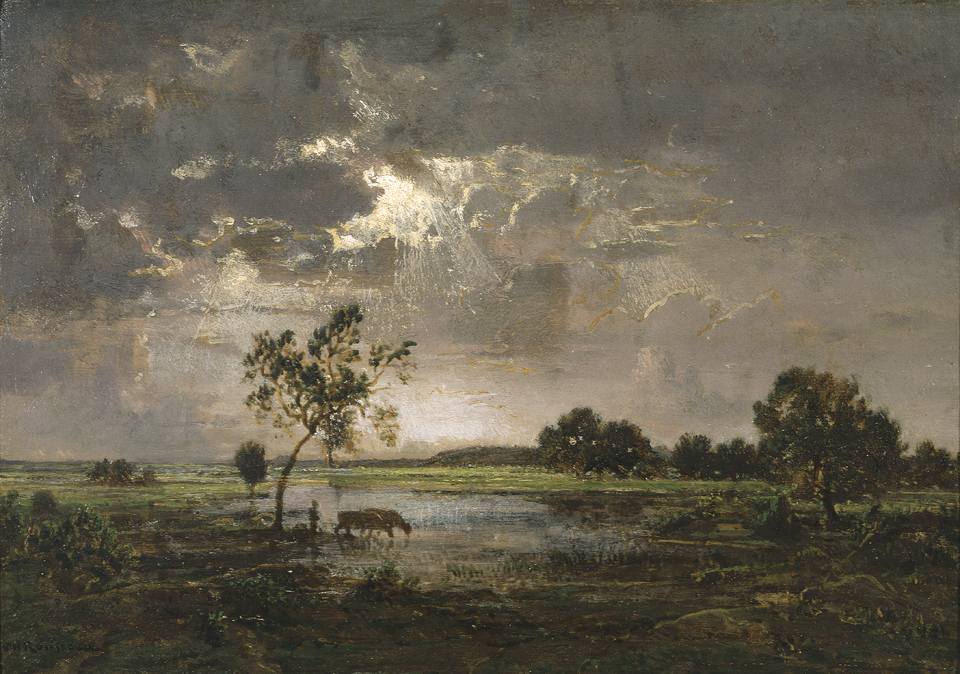 Théodore Rousseau, Landscape 1842, Saint Louis Art Museum, St. Louis, MO |
|
Théodore Rousseau was the anchor of the Barbizon painters. He treated the landscape with reverence, as something enduring and monumental. |
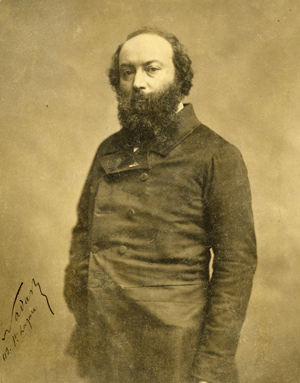 Photo of Théodore Rousseau by Nadar |
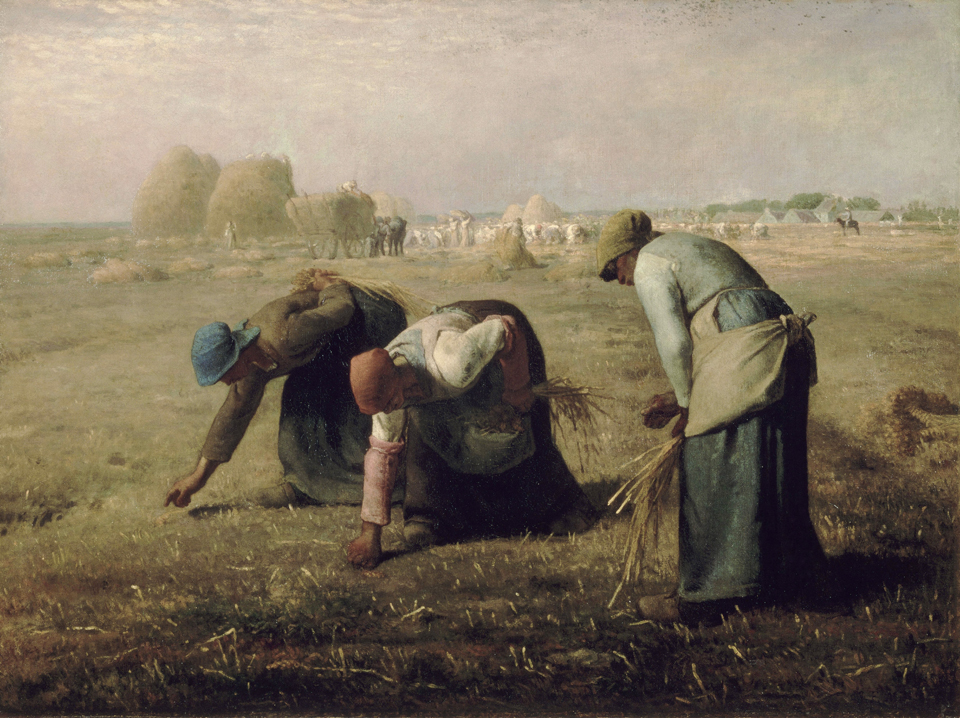 Jean-François Millet, The Gleaners 1857, Musée du Louvre, Paris |
|
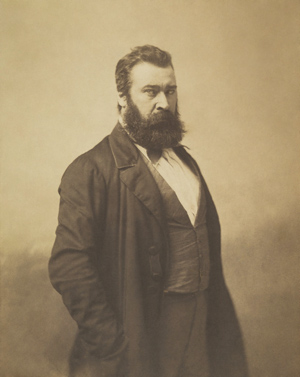 Photo portrait of Jean-François Millet by Nadar |
Jean-François Millet turned his attention to figurative painting, showing the beauty and dignity of peasant laborers, deeply human paintings with spontaneous and quick brushstrokes. |
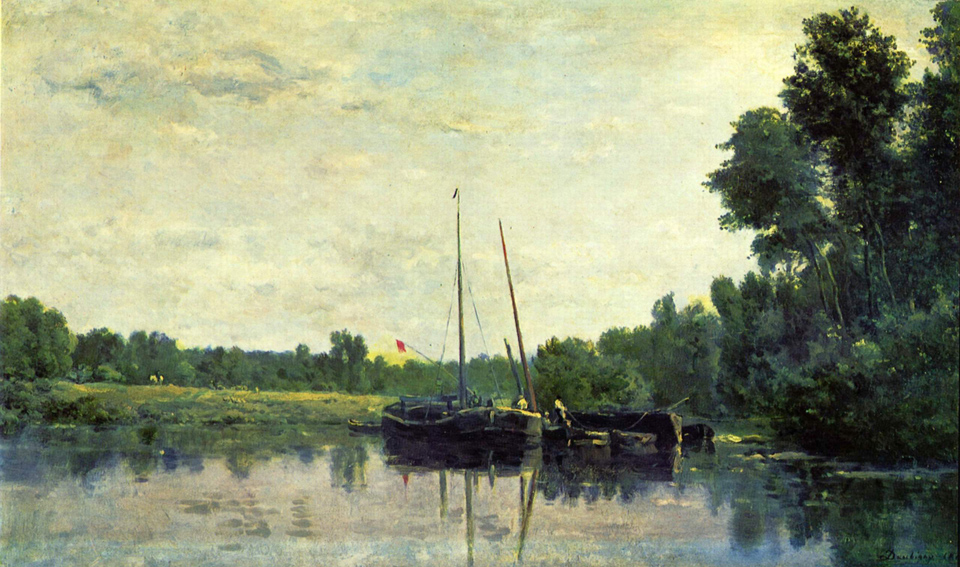 Charles-François Daubigny, The Barges 1865, Musée du Louvre, Paris |
|
|
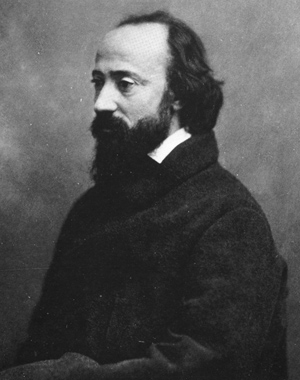 Photo portrait of Charles-François Daugigny by Nadar |
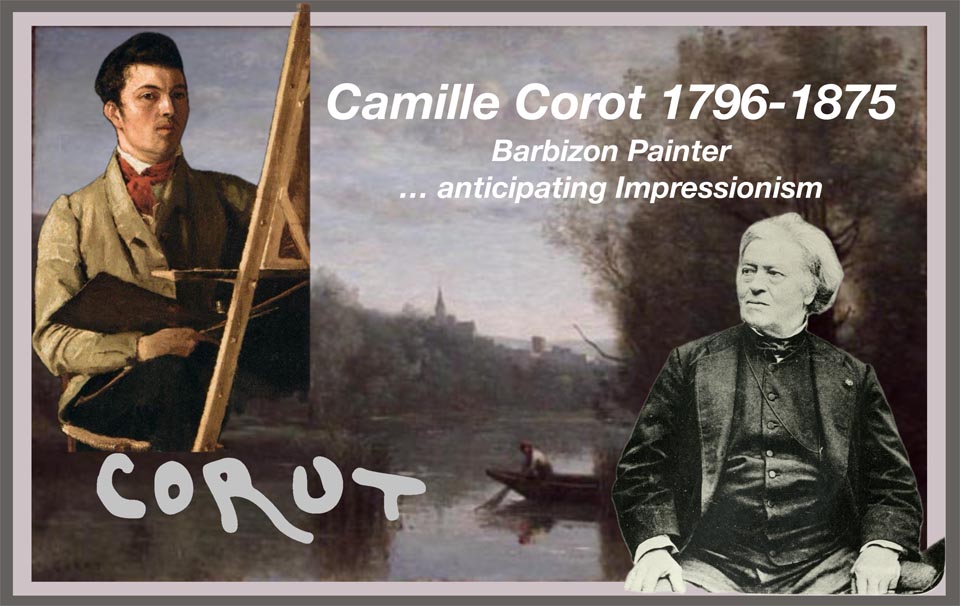
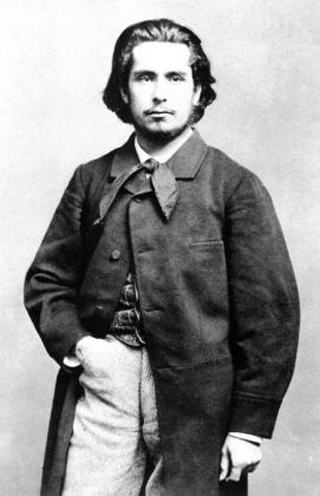
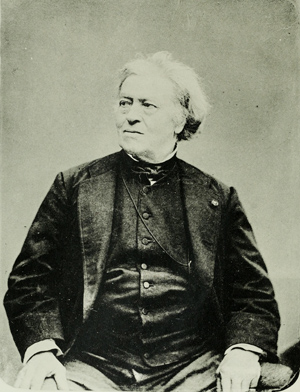 Portrait of Corot by Étienne Carjat 1870 |
And then came Jean-Baptiste-Camille Corot. |
| Camille Corot, the Forest Fontainbleau and his late career paintings of the French Countryside | |
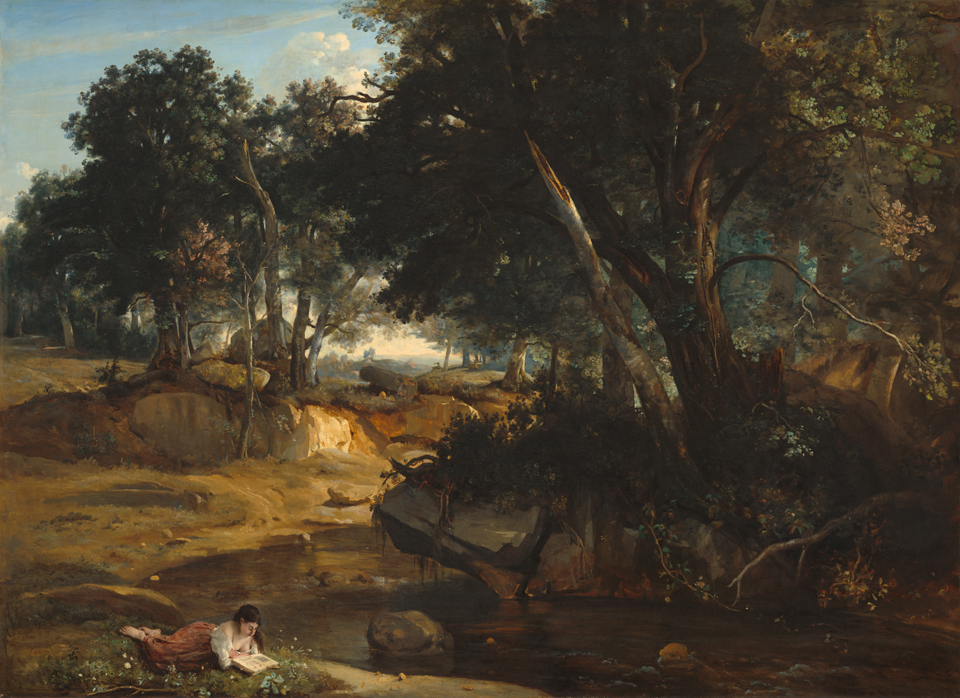 Camille Corot, Forest of Fontainebleau 1834, National Gallery of Art, Washington, D.C. |
|
Forest of Fontainebleau reflects Corot at a formative moment while he was discovering the expressive possibilities of painting directly from nature. The dense trees and uneven forest floor are rendered with a fresh, attentive eye, emphasizing observation over polish. Here, light filters irregularly through the foliage, and the scene feels immediate and unidealized, more encountered than composed. Long before his later, poetic visions, Corot was already redefining how nature could be painted honestly, grounded, and quietly radical for its time. |
|
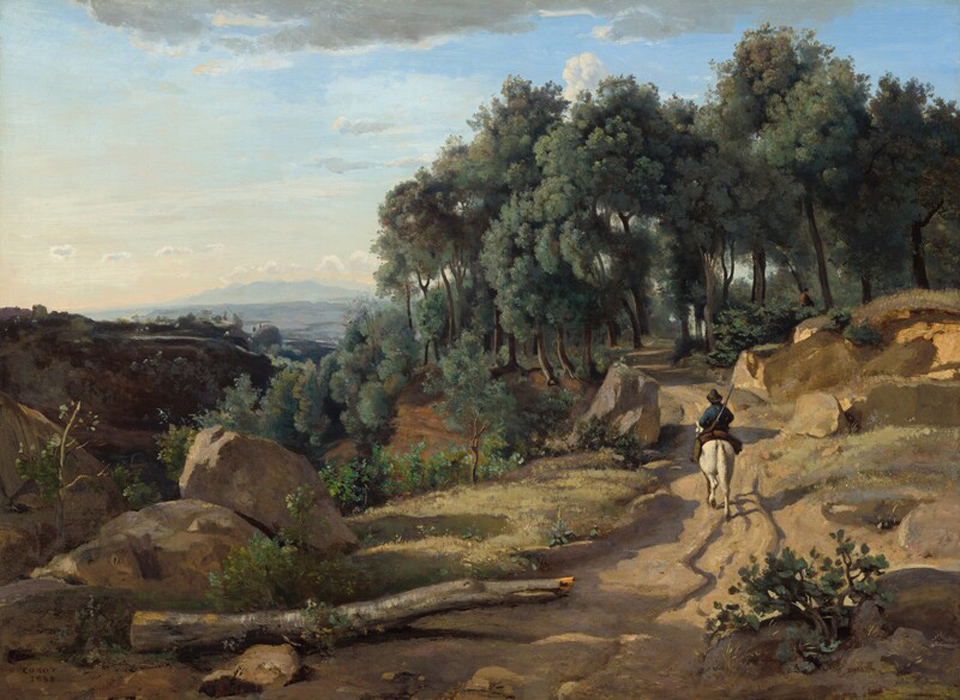 Camille Corot, A View nar Volterra 1938, National Gallery of Art, Washington, DC |
|
A View nar Voterra turns an unremarkable moment into something quietly poetic. The lone horseman is no one special, just a passerby absorbed into the landscape itself, moving at the same unhurried rhythm as the trees, sky, and earth. Corot makes the rider a measure of scale and time rather than the focus of a narrative. The painting is less about the man and where he is going, and more about the experience of being there, a deep, timeless connection between human life and nature. |
|
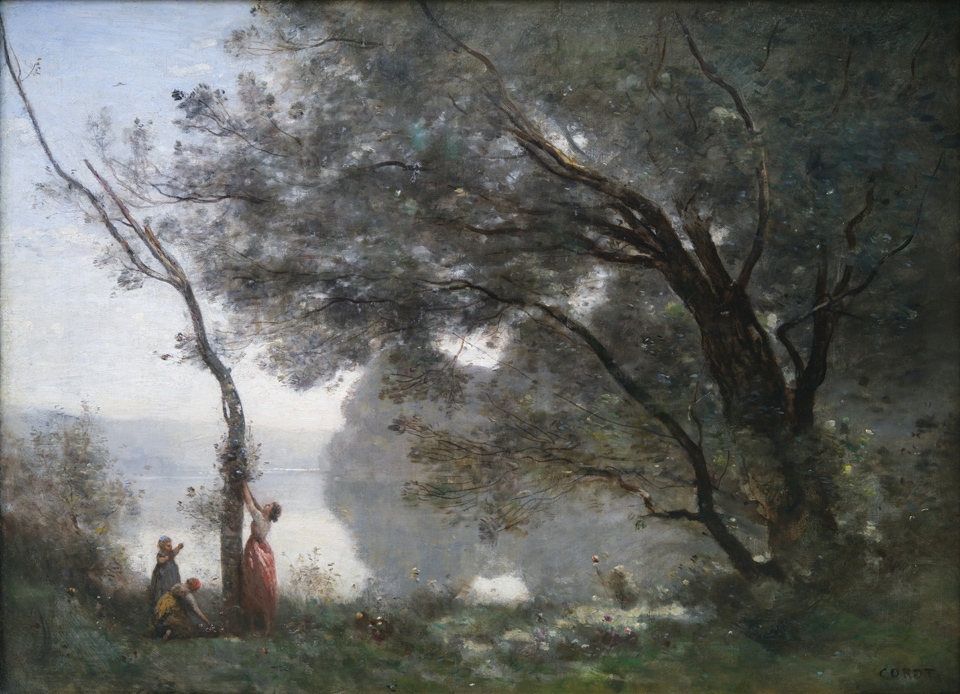 Camille Corot, Souvenir de Mortefontaine 1864, Musée du Louvre, Paris |
|
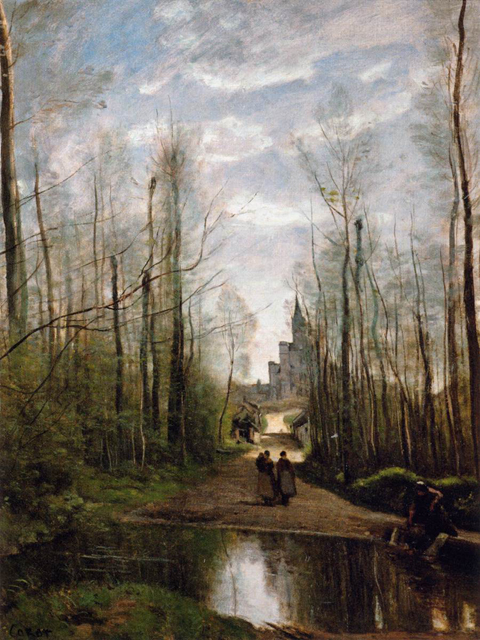 Camille Corot, The Church of Marissel, near Beauvais 1866 Musée du Louvre, Paris |
Souvenir de Mortefontaine is one of Camille Corot’s most poetic and inward-looking landscapes, a work less about a specific place than about the feeling of remembered nature. Although Mortefontaine was a real village north of Paris that Corot visited often, this scene is carefully composed in the studio, blending observation with memory. |
|
|
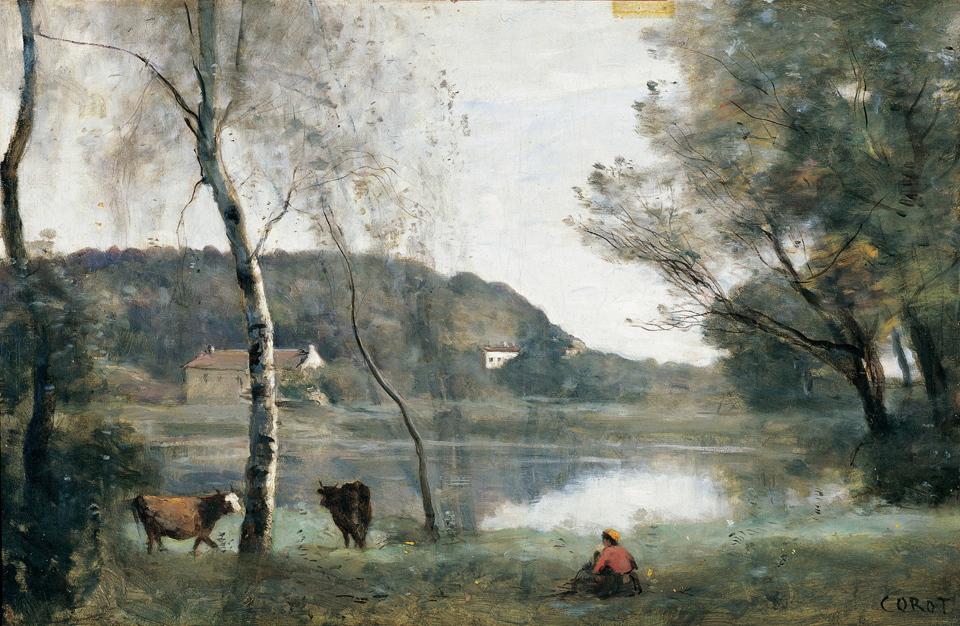 Camille Corot, L'étang de Ville-d'Avray 1865-70. National Museum of Fine Arts, Buenos Aires, Argentina |
|
L’étang de Ville-d’Avray draws on Camille Corot’s deep personal connection to the ponds near his family home outside Paris. He knew this landscape intimately. The pond lies low and still, anchoring the scene, while trees and sky melt into one another through subtle tonal shifts rather than firm outlines. Small figures appear almost as afterthoughts, reinforcing the sense of scale without interrupting the calm. More than a depiction of place, the painting conveys a lifelong conversation between the artist and this cherished landscape. |
|
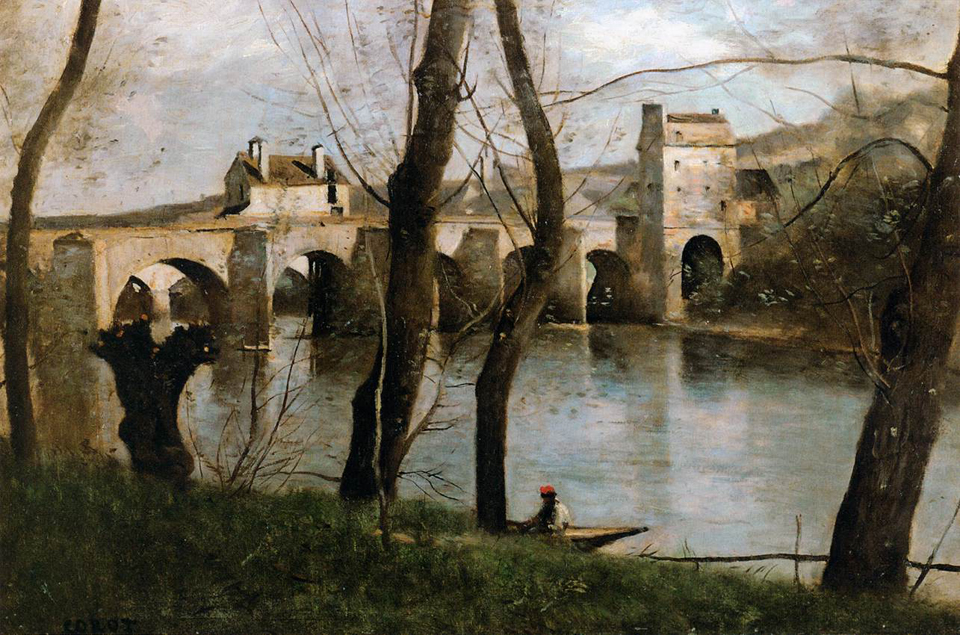 Camille Corot, The Bridge at Mantes 1868-70, Musée du Louvre, Paris |
|
The Bridge at Mantes captures Camille Corot’s mature vision of the French landscape along the Seine, where architecture and nature exist in calm balance. |
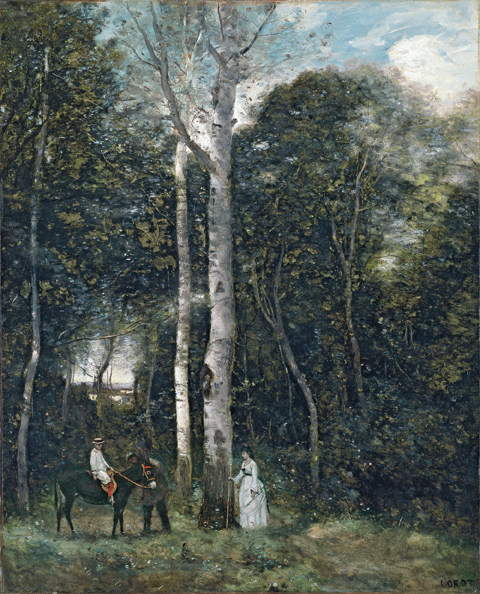 Camille Corot, Le Parc des Lions à Port-Marly 1872 Thyssen-Bornemisza Museum, Madrid |
|
|
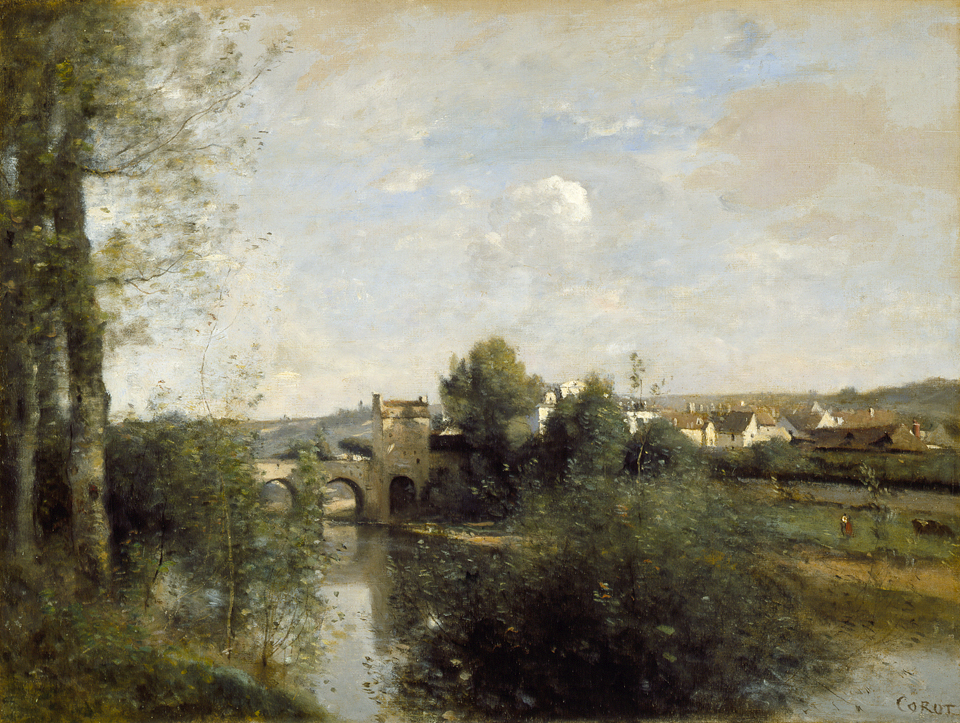 Camille Corot, Seine and the Old Bridge at Limay 1872, Los Angeles County Museum of Art, Los Angeles |
|
|
|
| Earlier in his career, Corot's three trips to Italy |
Italy held a lifelong pull for Camille Corot, both artistically and emotionally. His first extended stay there from 1825 to 1828 was especially transformative, giving him an opportunity to spend years studying the Mediterranian light, landscape, and ancient sites. Wandering in Rome and the surrounding countryside, Corot painted directly from nature, absorbing the clarity of Italian light and the harmony between ancient ruins cast amid natural trees, sky and Mediterranian light. |
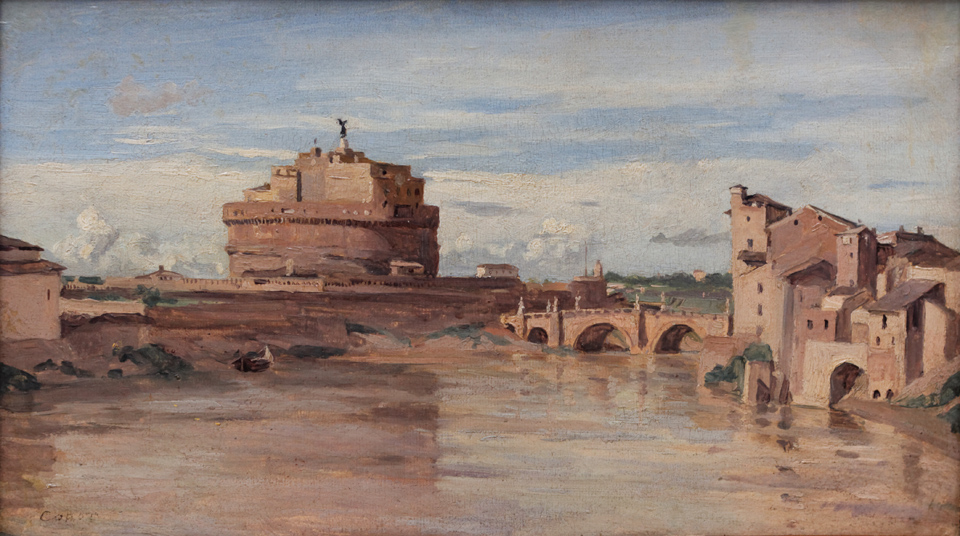 Camille Corot, Castel Sant'Angelo 1826, Musée du Louvre, Paris |
The Castel Sant'Angelo (Castle of the Holy Angel) was an ancient fortress built on the banks of the Tiber. Emporer Hadrian (Rome's emporer from 117-138 AD) commissioned it to be his mausoleum. Later, popes used it as a prison and fortress castle. Today, it is a museum. The history of this structure fascinated young Corot. Here, Corot captures this ruin in luminous light, couching the history in its natural setting. |
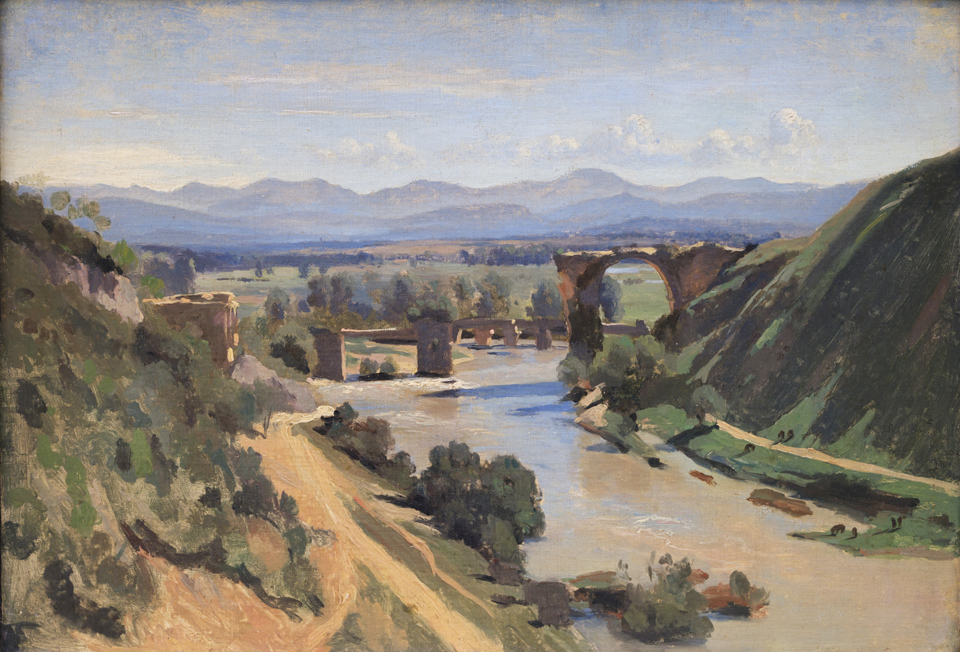 Camille Corot, Le Pont de Narni 1826, Musée du Louvre, Paris |
Painted a few years later, Le Pont de Narni shows how deeply Corot’s Italian experience continued to shape his vision. The scene shows a massive Roman bridge near Narni set within a sunlit Umbrian landscape. The ancient monumental bridge is gently integrated into its natural landscape. The big shoulders of the bridge are softened by foliage, open sky, and the warm Italian light that Corot had come to love. Scenes like this helped Corot to evolve and refine a poetic realism that would become central to his mature work. |
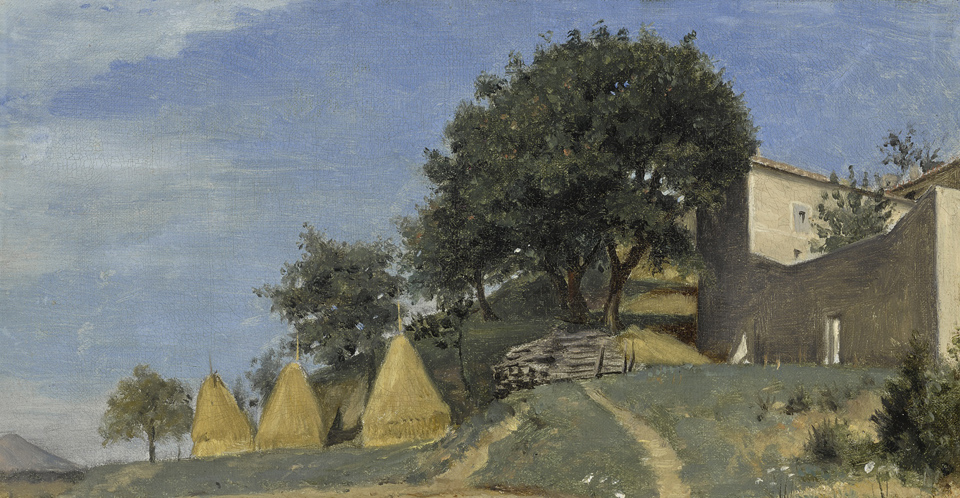 Camille Corot, Itialian Landscape in the Roman Campagna 1826-27, Kunsthaus, Zürich, Switzerland |
Italian Landscape in the Roman Campagna brings Corot’s Italian journey to a quiet, expansive close, focusing not on famous monuments but on the timeless countryside surrounding Rome. Corot gives his attention to the light and space, the way warm air softens edges, how forms dissolve gently into one another, and how the landscape seems to breathe in slow rhythm. Corot's time in Italy freed him from strict academic formulas and helped him develop poetic realism. |
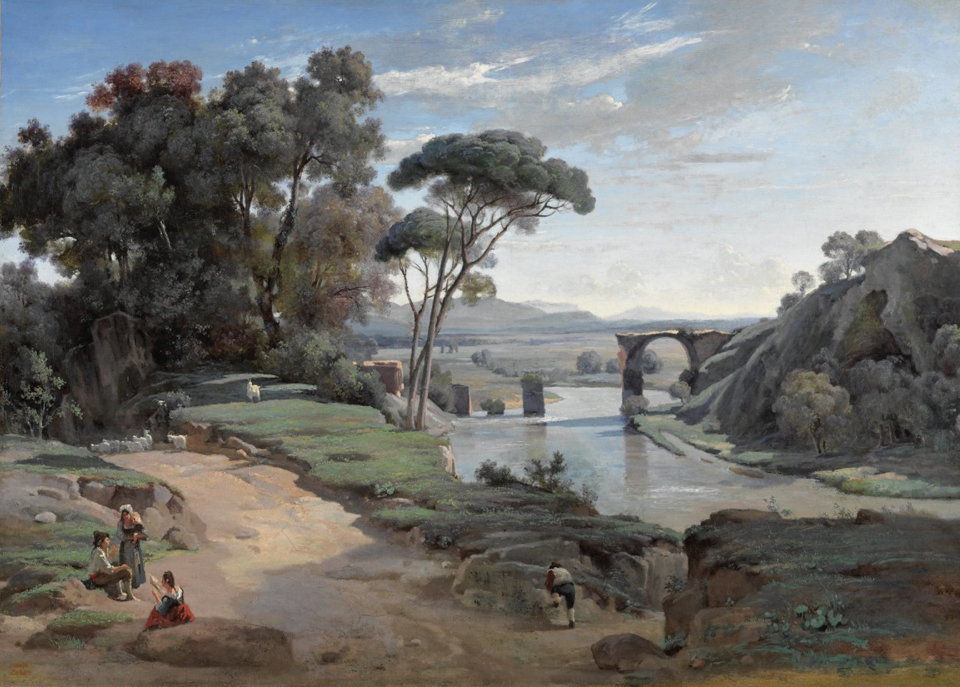 Camille Corot, The Bridge at Narni 1827, National Gallery of Canada, Ottowa |
Corot painted scenes of this bridge several times. The Bridge at Narni was done from sketches made on site. This finished painting was done in his studio, and is larger than Le Pont de Narni (shown above). This painting was submitted for Corot's debut submission to the Paris Salon. The great Roman bridge still anchors this scene, but Corot's emphasis shifts toward atmosphere and balance using broad planes of light and shadow, softened contours, and a calm, measured rhythm across the landscape. The figures, indistinct, show a human presense in the context of both the natural scene and history. |
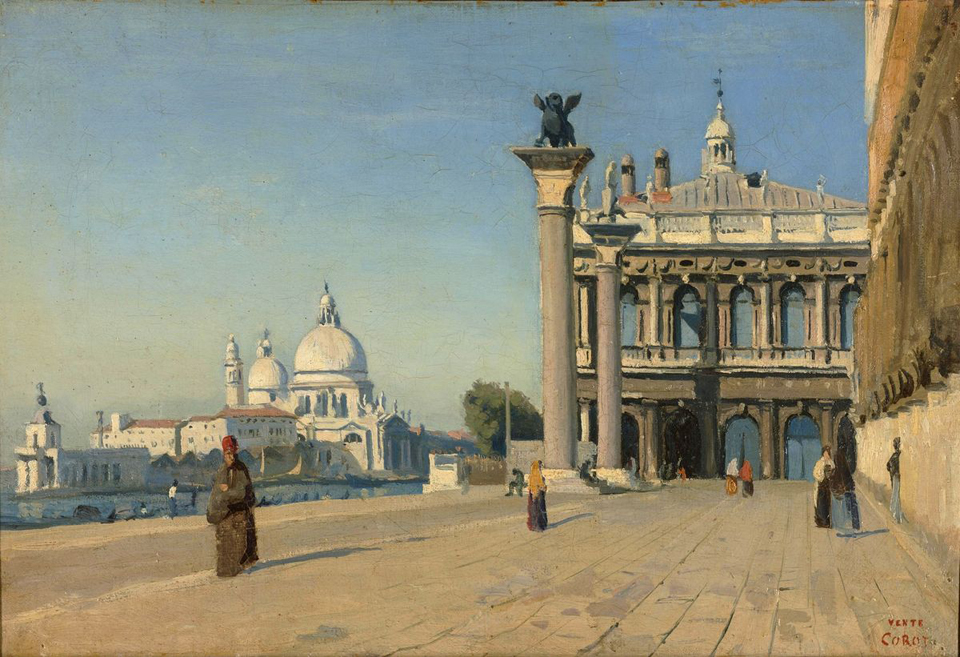 Camille Corot, Morning in Venice 1834, Pushkin Museum of Fine Arts, Moscow |
Morning in Venice is a hushed, lyrical vision, like an awakening mood. This scene was painted after Corot had returned to France from his last visit to Italy. He remembers Venice bathed in pale morning light with its familiar architecture emerging softly from mist and water. The architecture and atmosphere seem to breathe together. Gondolas and distant figures are reduced to quiet accents, giving this painting a sense of calm before the city fully stirs. Artistically, this painting shows Venice not as a rare spectacle, but as a quiet moment suspended in time. |
| Corot's Portraits | |
Although Corot is best known for landscapes, he did produce a small, remarkable group of portraits and figure paintings, usually done for private clients. |
|
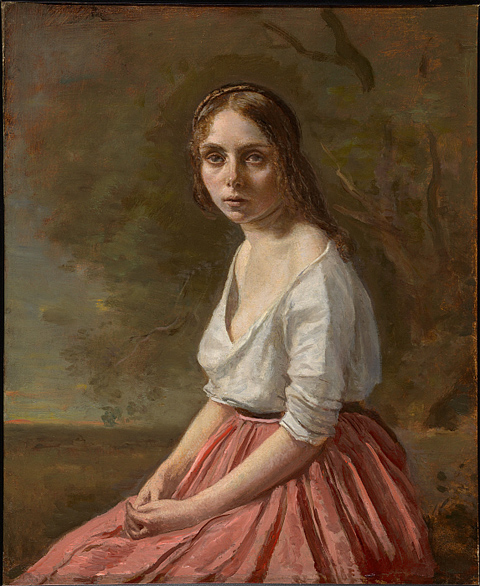 Camille Corot, Young Woman in a Pink Skirt 1845 Clark Art Institute, Williamstown, MA |
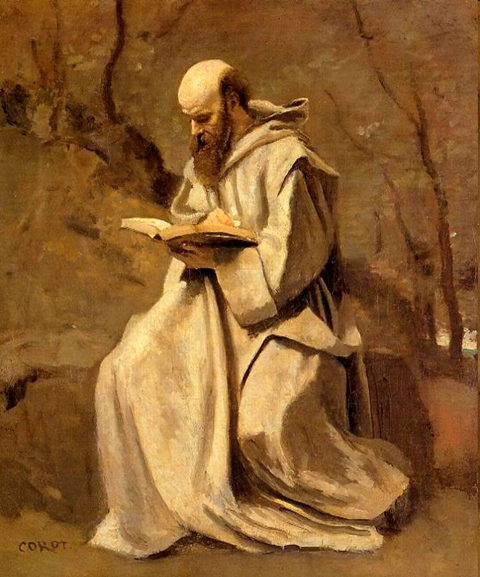 Camille Corot, Monk in White, Seated, Reading 1850 Musée du Louvre, Paris |
Painted in 1845, Young Woman in a Pink Skirt shows Corot at a mid-point in his career, already interested in quiet, thoughtful figures rather than grand stories. The young woman sits simply against a plain background, her relaxed pose and lowered gaze giving the scene a calm, introspective mood. Corot's colors are soft and restrained, letting the warm pink of the skirt gently draw the eye without overpowering the figure. With blurred edges and subtle shifts in tone, he creates a sense of stillness and intimacy that hints at the poetic, modern feeling his later work would become known for. |
|
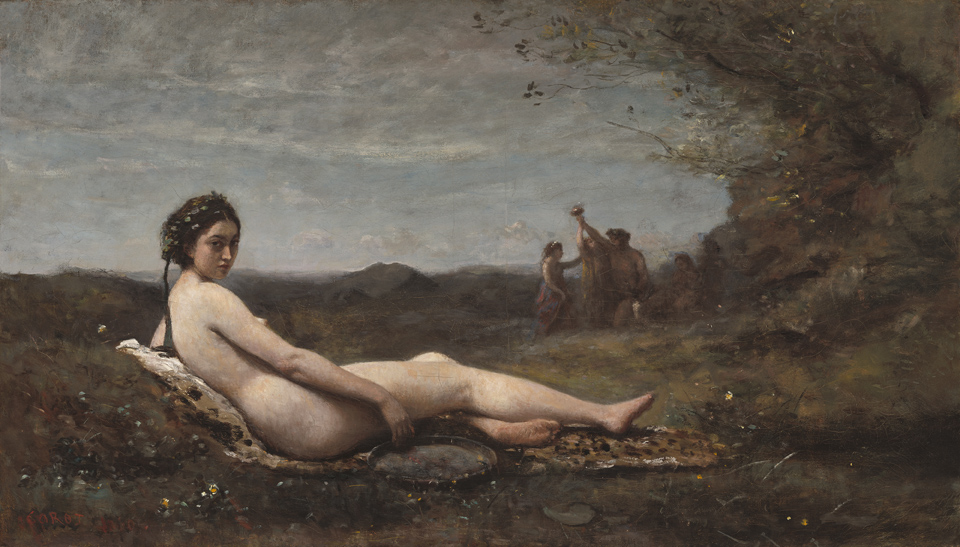 Camille Corot, The Repose 1860, National Gallery of Art, Washington, D.C. |
|
Painted in 1860, The Repose is a good example of Corot’s later style, where figures and landscape feel gently woven together. A nude woman lies at ease in a sunlit countryside, meeting the viewer’s gaze while everyday activity continues quietly in the distance. Corot softens everything—the figure, the trees, even the light, using subtle tones and blended brushwork so nothing feels sharply defined. Rather than telling a clear story or making a grand statement, the painting invites us into a calm, dreamlike moment, his deep sense of harmony between people and nature. |
|
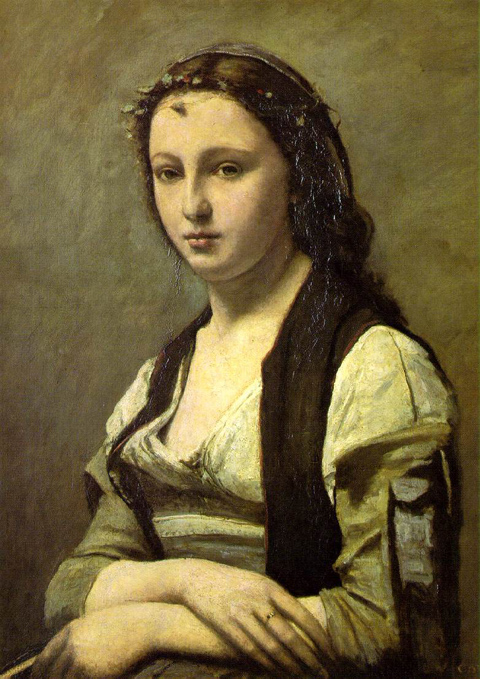 Camille Corot, Woman with a Pearl c1869 Musée du Louvre, Paris |
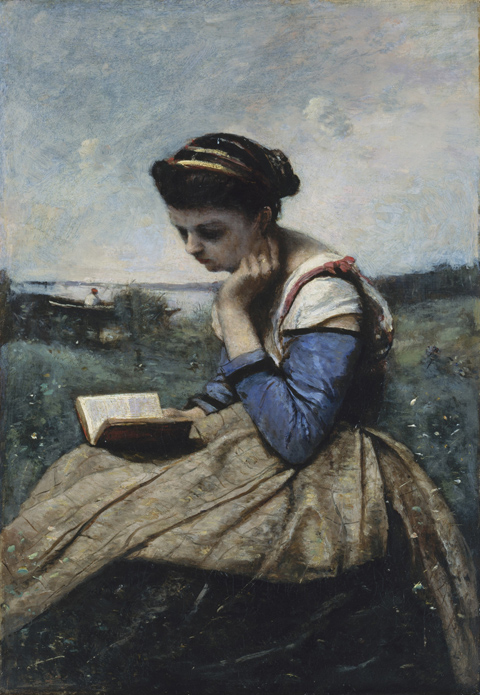 Camille Corot, A Woman Reading 1969-70 Metropolitan Museum of Art, New York |
Corot painted Woman with a Pearl later in his career in 1869. At this time, he was especially drawn to quiet, intimate images of women rather than formal portraits. Here, the sitter turns gently toward the viewer, her calm expression and soft gaze creating a sense of mystery. Corot uses a muted range of silvery grays and warm browns, keeping details loose so the mood matters more than exact likeness. Earlier in his career, he spent considerable time in Italy where he studied Renaissance art, expecially the portraits of Leonardo da Vinci. |
|
| Camille Corot, Grandfather of Impressionism? | |
I wonder what he would have thought of such a title. He never wrote a manifesto of his place in art history. All he left behind were bits of his thoughts, in letters and rememberances from his friends and pupils. The rest we must surmize from his paintings. |
|
In the mid 1820's, he wrote his friend Abel Osmand, |
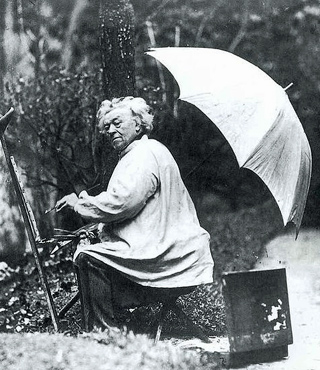 Camllle Corot at 75 years old, painting en plein air, 1871 (photo: believed to be by Charles Desavary) |
| Gallery News | |
|
|
One of the joys of running an historic art gallery is occasionally people ask about their paintings. Recently, the grandson of a Hollywood movie director contacted us about his grandfather's 18" x 24" Streets of Tonopah (Nevada) c 1950 by Joshua Meador. It seems his grandfather and Joshua Meador may have been friends, and this painting was in the grandfather's estate when he died in the 1980's. |
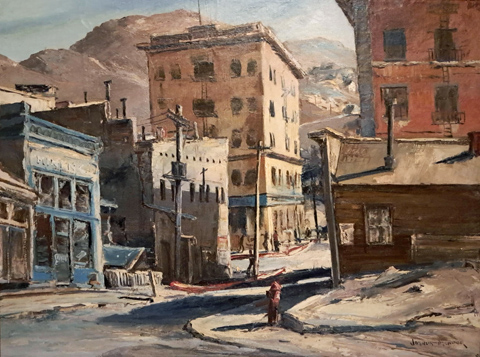 Joshua Meador, Streets of Tonopah, NV c1950 |
|
|
| Other than gallery hopping, Some things to do in Bodega Bay | |
|
|
| ... in and around Bodega Bay | ||
 |
Bodega Bay Heritage Gallery 1580 Eastshore Road Between the Terrapin Creek Cafe and Roadhouse Coffee open Thurs-Sun, 11am to 6pm -- other times by chance or appointment an exceptional collection of late 19th and early 20th century paintings by well-known California artists http://www.BodegaBayHeritageGallery.com | Call or Text 707-875-2911 email: Art@BodegaBayHeritageGallery.com |
 "Mendocino Coast" Joshua Meador |
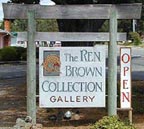
 Ren Brown |
The Ren Brown Collection Just steps away from Bodega Bay Heritage Gallery A sumptuous gallery experience ... Contemporary Japanese Prints, Handmade Ceramics & Jewelry, Japanese Antiques, California Artists & Sculptors 1781 Coast Highway One, Bodega Bay, 94923 |
 |
|
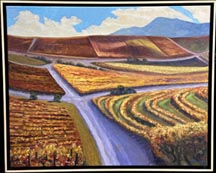
Linda Sorensen Paintings Linda paints colorful and imaginative / modernist-transcendental-influenced |
 |
 |
In the nearby town of Bodega ... Dodrill Gallery 17175 Bodega Highway, Bodega CA 94922 Famed photographer, world adventurer and rock climber Jerry Dodrill exhibits and sells and his exceptional landscape photographs ... https://jerrydodrill.photoshelter.com/p/page2 | 707-377-4732 Photo@JerryDodrill.com |
 |
 |
In the nearby town of Bodega ... Artisans' Co-op featuring the talents of local artists ... photography, paintings, textiles, jewelry, ceramic and wood art 17175 Bodega Highway, Bodega CA 94922 ... http://www.artisansco-op.com| 707-876-9830 |
|
 |
Bodega Gallery in the historic town of Bodega (This gallery has closed, with a for sale sign posted) |
 |
 |
Bodega Bay's John Hershey Photography Bodega Bay resident photographer John Hershey displays his scenic shoreline and sea life images locally in restaurants, visitor venues and art shows. His 50 year career has encompassed multimedia production, commercial and personal photography, environmental portraiture, and community photojournalism. John recently added interpretive infrared photography to his portfolio. John Hershey Photography Portfolio ... http://www.jhersheyphoto.com John Hershey Photography Sales ... https://j-hershey-media.square.site |
 |
\ |
Bodega Bay's Jean Warren Watercolors Bodega Bay resident Jean Warren says her paintings are reflections of the places she has lived and traveled. Jean is a Signature member of the National Watercolor Society, California Watercolor Association and full member of Society of Layerists in Multi-Media. http://www.JeanWarren.com / 707-875-9240 |
|
| Also in Sonoma County ... | ||
 |
IN SEBASTOPOL - Sebastopol Center for the Arts |
|
 Corrick's Keven Brown |
IN SANTA ROSA Corrick's Art Trails Gallery | http://www.corricks.com/arttrailsgallery 637 Fourth Street, Santa Rosa, CA 95401 | Contact:: http://www.corricks.com/contact-us Corrick's has been a Santa Rosa Treasure since 1915, a downtown stationery store serving as the community's "cultural hub." Corrick's has long supported local artists with its impressive "ART TRAILS GALLERY," including paintings by Linda Sorensen. Corricks offers a number of originals by famed Santa Rosa artist, Maurice Lapp ... (see our August 2017 article) located on Fourth Street, steps away from Santa Rosa's revitalized town square and Fourth Street's Russian River Brewery |
 Linda Sorensen's White Barn circa 1880, Sea Ranch currently available at  |
 Dennis Calabi |
Calabi Gallery currently online only ... CalabiGallery.com email: info@calabigallery.com | 707-781-7070 Famed master conservator Dennis Calabi brings his rare knowledge and experience to present a tasteful and eclectic array of primarily 20th century artwork. http://www.calabigallery.com |
 Easton, Crustacean Dancing Dream, American Alabaster |
 |
IN Santa Rosa - The Annex Galleries specializing in 19th, 20th, and 21st century American and European fine prints The Annex Galleries is a member of the International Fine Print Dealers Association (IFPDA). http://www.AnnexGalleries.com |
|
 |
IN Tomales - Sky Ranch Gallery local Sonoma County Artists Thank you for visiting our gallery's website. In July of 2025, a group of local artists banded together wanting to bring art to the community of Tomales. http://www.skyranchgallery.com |
|
 |
IN GRATON - Graton Gallery |
|
 |
IN DUNCANS MILLS - Christopher Queen Galleries 3 miles east of Hwy 1 on Hwy 116 on the Russian River http://www.christopherqueengallery.com |707-865-1318 Established in 1976, the gallery features Early California and Contemporary art. |
|
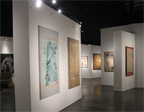 |
IN Healdsburg - Paul Mahder Gallery http://www.paulmahdergallery.com (707) 473-9150 | Info@paulmahdergallery.com 222 Healdsburg Avenue, Healdsburg, CA 95448 | check for hours |
|
 |
|
 |
| Links to current museum exhibits relevant to Early California Art | |||
| The Greater Bay Area | |||
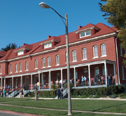
| The Walt Disney Family Museum -- see website for details This museum tells Walt's story from the early days. (on the Parade Grounds) 104 Montgomery Street, The Presidio of San Francisco, CA 94129 -- view location on Google Maps -- |
 |
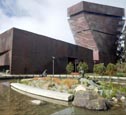
San Francisco ... see website de Young Museum Permanent Collection |
 |
| San Francisco closed, see website California Historical Society |
 |
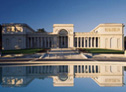
San Francisco Legion of Honor ... see website -Permanent European and Impressionist Paintings |
 |
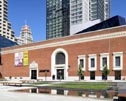
| San Francisco open, see website for details Contemporary Jewish Museum |
 |
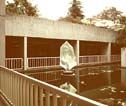
Oakland ... see website Oakland Museum of California -- ongoing Gallery of California Art -showcasing over 800 works from the OMCA's collection |
 |
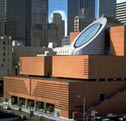
San Francisco |
 |
Santa Rosa |
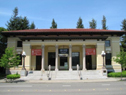 |
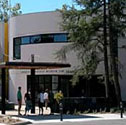
| Santa Rosa ... see website Charles M. Schultz Museum |
 |
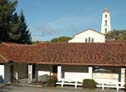
Moraga |
 |
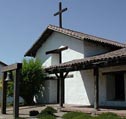
| Sonoma Mission San Francisco de Solano Museum featuring the famed watercolor paintings of the California Missions by Christian Jorgensen |
 |
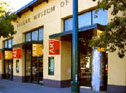
Sonoma Sonoma Valley Museum of Art ... see website 551 Broadway, Sonoma CA (707) 939-7862 |
 |
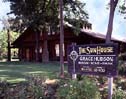
| Ukiah Grace Hudson Museum ... see website http://www.gracehudsonmuseum.org |
 |
Bolinas |
 |
| Walnut Creek ... see website The Bedford Gallery, Lesher Center for the Arts |
 |
San Jose San Jose Museum of Art ... see website approximately 2,000 20th & 21st century artworks including paintings, sculpture, new media, photography, drawings, prints, and artist books. |
 |
| Monterey Monterey Museum of Art ... see website Ongoing exhibitions ... Museums Permanent Collection including William Ritschel, Armin Hansen and E. Charlton Fortune http://www.montereyart.org |
 |
Palo Alto ... see website Cantor Art Center at Stanford University |
 |
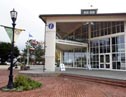
Monterey |
 |
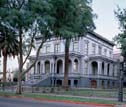
Sacramento Crocker Art Museum ... see websites |
 |
| Sacramento Capitol Museum ... see website Governor's Portrait Gallery Permanent Exhibits (including one of our galllery's favorite artists, Robert Rishell's portrait of Gov. Ronald Reagan |
 |
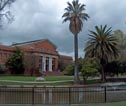
Stockton's Treasure! The Haggin Museum ... see website -Largest exhibition of Albert Bierstadt paintings anywhere, plus the works of Joseph Christian Leyendecker, Norman Rockwell's mentor. see our Newsletter article, April 2011 |
 |
| Southern California (and Arizona) (for all museums below, see websites for hours and protocols. | |||
| Los Angeles Los Angeles Museum of Art Art of the Americas, Level 3: Artworks of paintings and sculptures from the colonial period to World War II— a survey of of art and culture & "Levitated Mass" |
 |
Irvine UCI IMCA (University of California, Irvine Institute and Museum of California Art) (formerly The Irvine Museum) |
 |
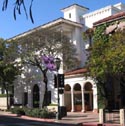
| Santa Barbara The Santa Barbara Museum of Art |
 |
Orange Hilbert Museum, Chapman University |
 |
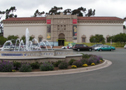
| San Diego San Diego Museum of Art Permanent Collection |
 |
Pasadena Norton Simon Museum -an Impressive Permanent collection, European impressionist and post impressionist paintings See our newsletter from March 2014 |
 |
| Los Angeles California African American Art Museum adjacent to the LA Coliseum (see our newsletter articleof their Ernie Barnes Exhibition September 2019) |
 |
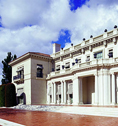
San Marino (near Pasadena) The Huntington Library American Art Collection Paintings by John Singer Sargent, Edward Hopper, Robert Henri, Albert Bierstadt, Thomas Moran, William Keith, Mary Cassatt, Thomas Hart Benton and many more. |
 |
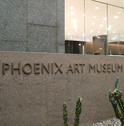
| Phoenix, AZ Phoenix Art Museum an excellent sampling of Artists of the American West |
 |
Palm Springs |
 |
| & Beyond | |||
| Honolulu, HI Honolulu Museum (see our Newsletter article from February, 2015) |
 |
Kamuela, HI (Big Island) Issacs Art Center 65-1268 Kawaihae Road Kamuela, HI 96743 (See our Dec '16 article "Hawaii's Paul Gauguin," modernist Madge Tennent, 1889-1972) |
 |
| Seattle, WA Seattle Art Museum ( see our article Mar 2018 French and American Paintings ) |
 |
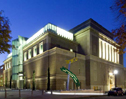
Portland, OR Portland Art Museum Permanent Collection: American Art |
 |
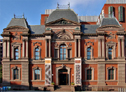
| Washington D.C. The Renwick Gallery Permanent ... Grand Salon Paintings from the Smithsonian American Art Museum |
 |
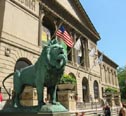
Chicago, IL Art Institute of Chicago Permanent collection: the Impressionists |
 |
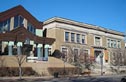
| Cedar Rapids, IA The Cedar Rapids Museum of Art Grant Wood: In Focus is an ongoing permanent collection exhibition. |
 |
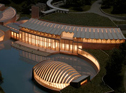
Bentonville, AR |
 |
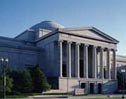
| Washington D.C. The National Gallery Permanent collection American Paintings |
 |
Philadelphia , PA The Philadelphia Museum of Art |
 |
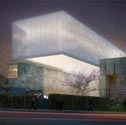
| Philadelphia , PA Barnes Foundation, Philadelphia Campus |
 |
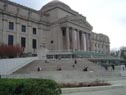
Brooklyn, NY The Brooklyn Museum American Art Permanent Collection |
 |
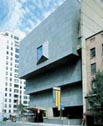
| New York , NY The Whitney Museum of American Art The largest selection of works by Edward Hopper |
 |
New York, NY Metropolitan Museum of Art Its extensive collection of American Art |
 |
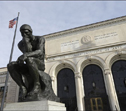
| Detroit, MI Detroit Institute of Arts American Art Permanent Collection |
 |
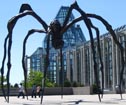
Ottawa, Ontario National Gallery of Canada |
 |
| Denver, CO Denver Art Museum |
 |
Boston, MA |
 |
| If you wish to sell a painting to us ... |
|